
AN INTRODUCTION TO…
Digital Black-and-White Photography
Black-and-white photography is not a talent you either have or do not have. It is a set of decisions about light, tone and contrast. Learn how to make these decisions in this short course.
£29 until end of October, £35 after that.
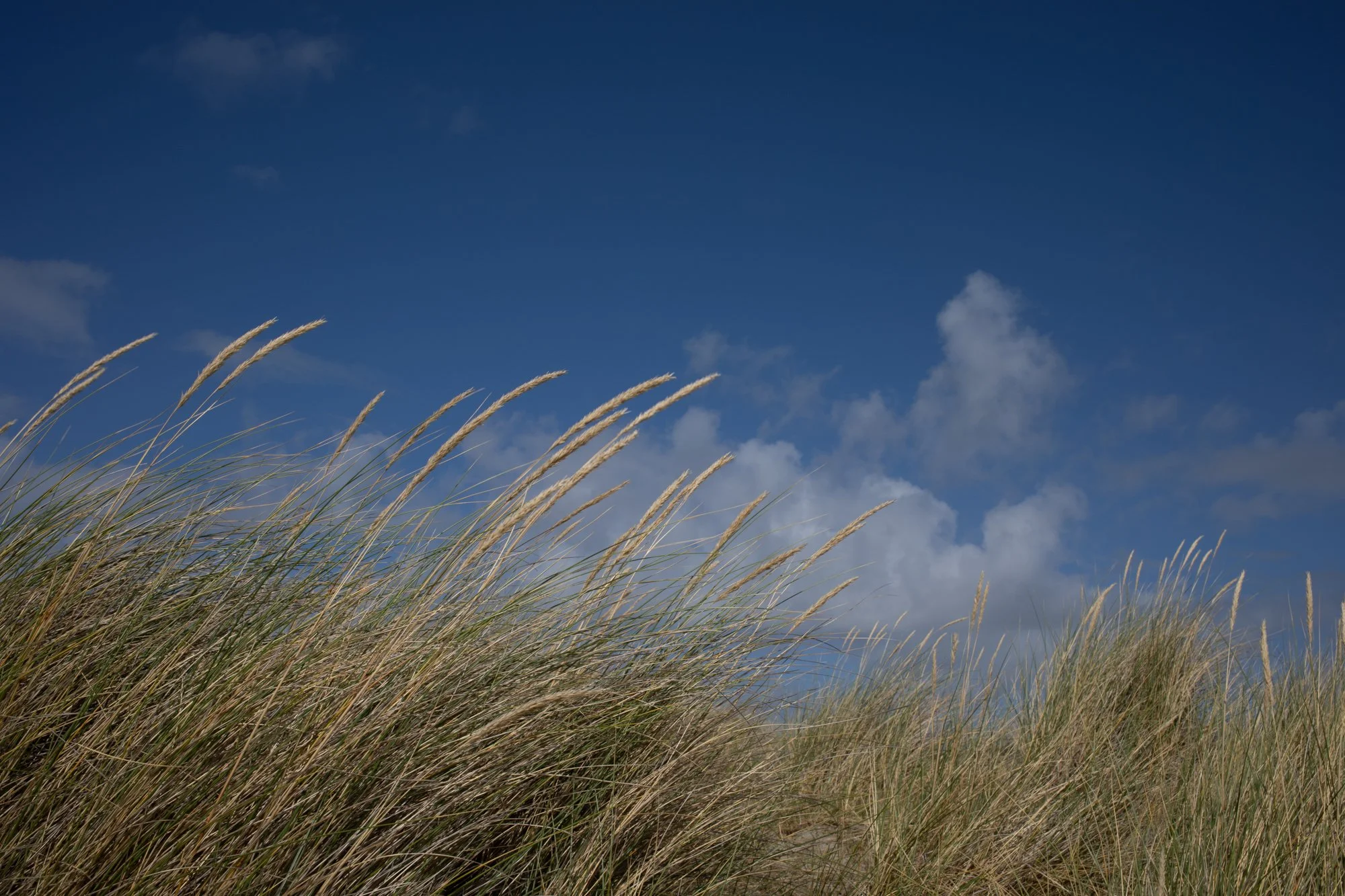
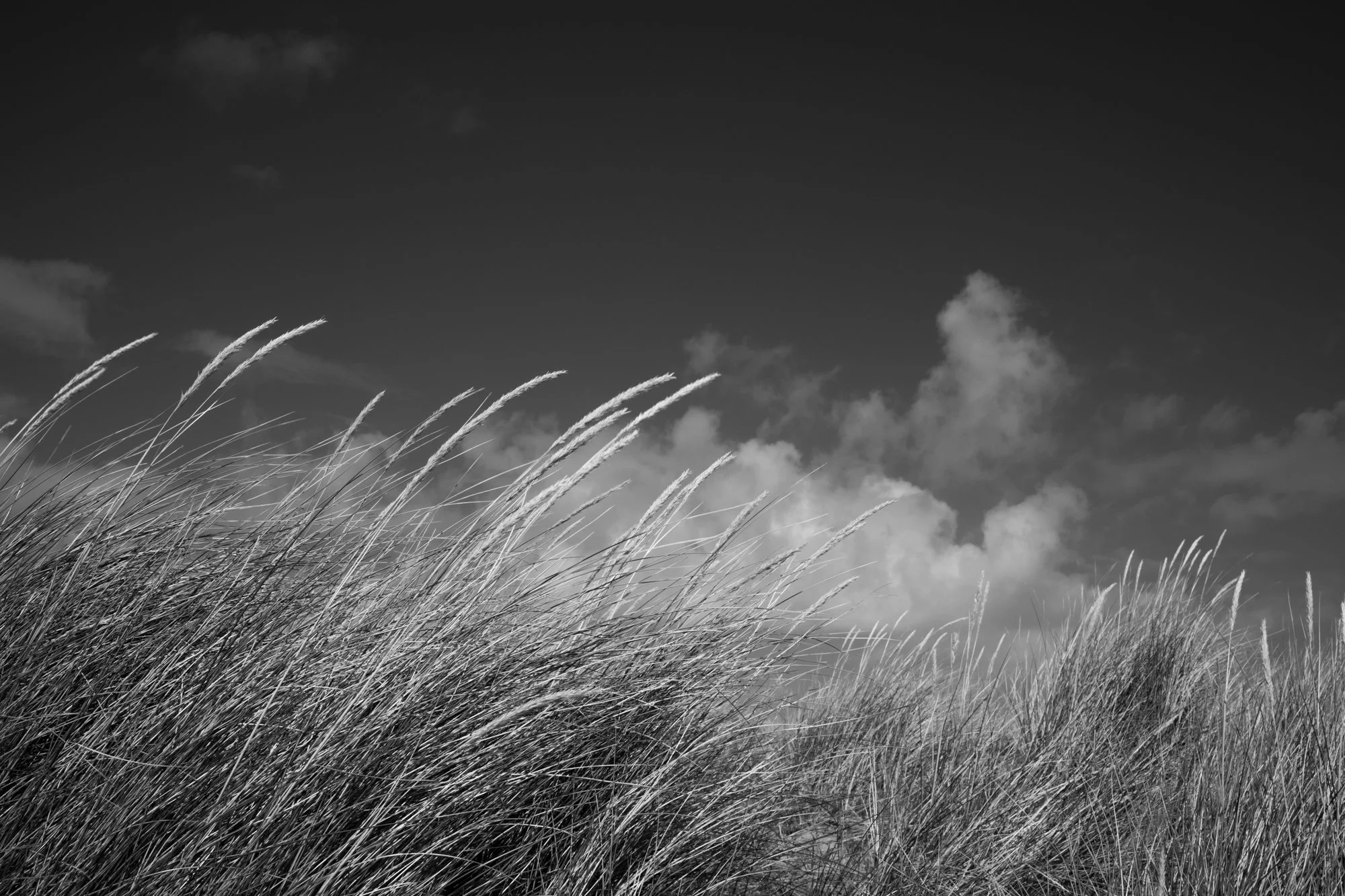
HOW IT RUNS
Eight short parts, at whatever pace suits you.
The course opens on 11 October. You watch a short film for each part, do the exercise that goes with it, and move on when you are ready. Nothing expires and nothing is scheduled.
What you get
Seven videos, each one short enough to watch before you go out. An exercise with every part, so you are photographing rather than only watching. A final project to pull it together. Yours to keep, and to come back to.
What you need
Any camera, including a phone. Any editing software that lets you convert to black-and-white and adjust tones; Lightroom edits are shown, but the free version of Affinity Photo works fine and the thinking transfers to whatever you use. No previous black-and-white experience is assumed.
Curriculum
-
Before any technique, the question that actually matters. Why choose black-and-white at all, what you give up when the colour goes, and what steps forward to take its place. This part sets up everything that follows.
-
Learning to recognise, while you are standing there, whether a scene will work in black and white. This is the habit that changes everything downstream, and it is a habit rather than a gift.
-
What your camera and your software are actually doing when they convert a colour file to mono, and why two conversions of the same photograph can look completely different. Understanding this is what puts you in charge of it.
-
How to get the best quick black-and-white conversion: enough information for you to get started, not so much that you are overwhelmed.
-
Composition changes when colour is no longer separating your subject from its background. Shape, line, texture and the weight of dark against light do that work instead, and they need arranging differently.
-
Contrast is the separation between tones, and it is shaped by the quality of light long before you reach a slider in your editing software. How to read light for mono, and how to use contrast deliberately rather than by default.
-
Where you clarify intent: deciding what matters, what recedes, and how far to push. Practical editing, shown on screen, with the reasoning behind every move rather than a recipe to copy.
-
Some black-and white photographers worth looking at and how to look at them usefully, then a project of your own to put the whole course to work.
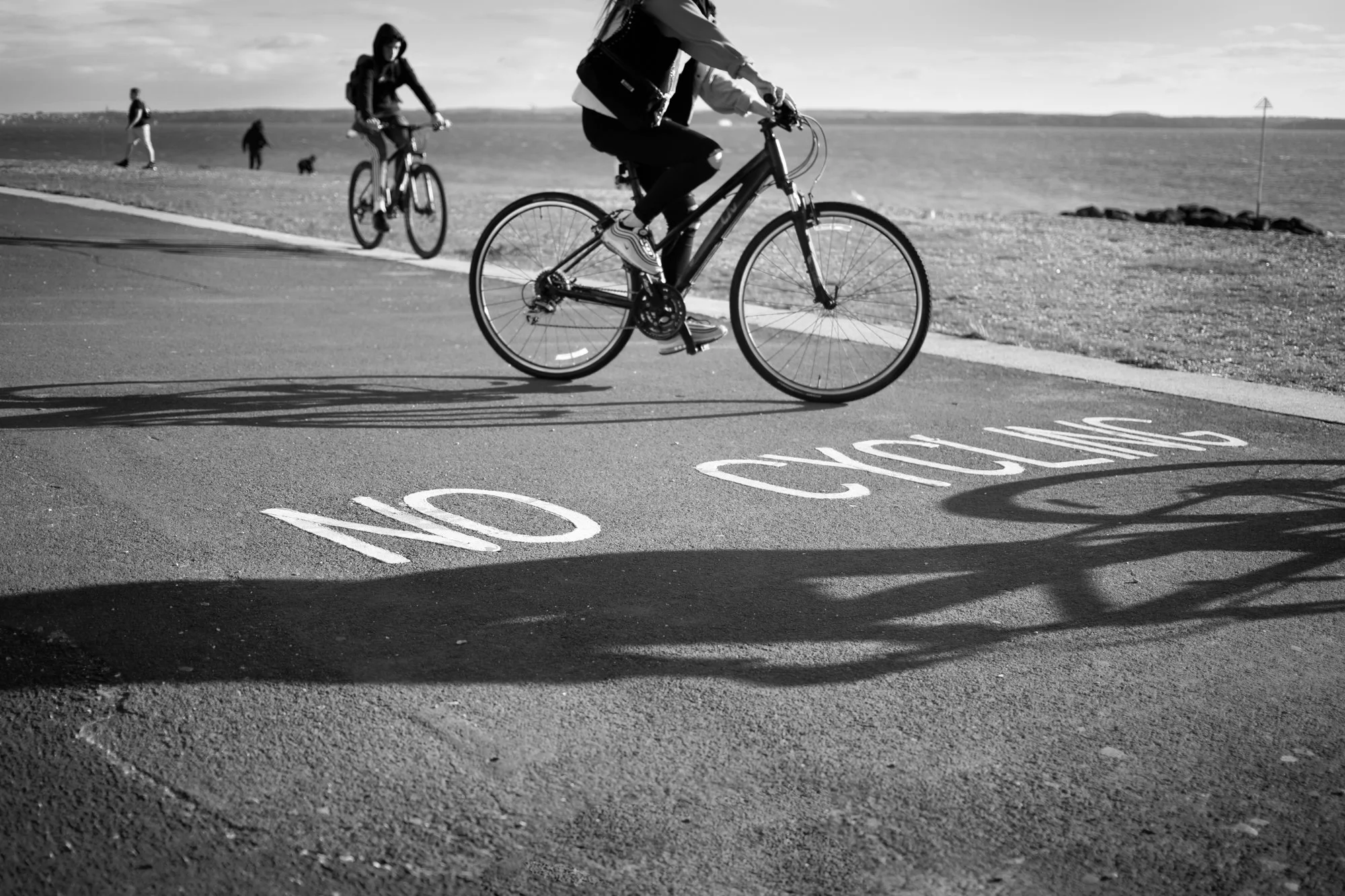
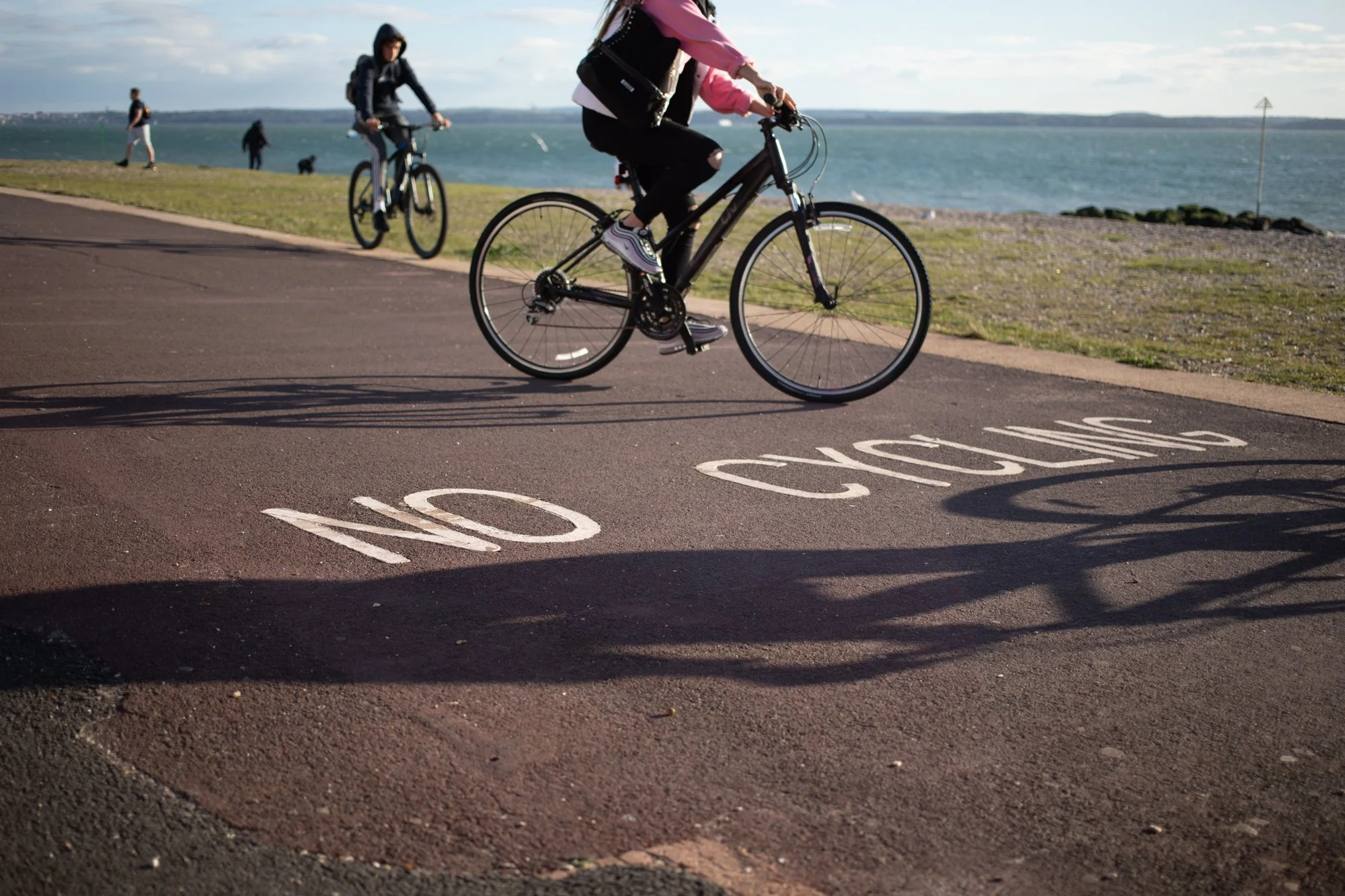
WORTH KNOWING BEFORE YOU JOIN
What this course is not.
There is no official community, and I do not critique your photographs.
The self-paced courses in this introductory series are exactly that: filmed teaching and exercises you work through on your own. There is no forum, no group, no feedback on what you make, and no live sessions. That is a deliberate choice rather than an oversight, and the price reflects it. If it is feedback and company you are after, the Camera Club is the better fit, and I would rather say so here than have you find out afterwards.
Questions?
-
Whatever you already own, including a phone. Nothing in the course depends on a particular camera or lens, and the decisions it teaches apply the same way whatever you are photographing with.
-
It assumes you can use your camera reasonably comfortably, but it assumes nothing at all about black-and-white. If you have never deliberately made a mono photograph, you are in the right place. If you have been converting images for years and not getting what you hoped for, you are also in the right place.
-
I demonstrate with Lightroom because that is what I use. The thinking transfers to any software that lets you convert to black-and-white and adjust tones, and the course is about the decisions rather than the buttons. Affinity Photo (free) is a great option if you don’t have software yet.
-
As long as I am in business; at least a year. It is yours to keep, and you can come back to any part as often as you like. Nothing expires.
-
Yes. If it is not what you expected, email me within 30 days and I will refund you in full, without any need to explain.
-
Prices are in pounds sterling and your card is charged the equivalent in your own currency at the rate on the day. Your card provider may charge a fee for the currency conversion.
-
No. This course has no community element and no critique, which is why it is priced where it is. If you want feedback and other photographers to work alongside, the Camera Club is where that happens.
-
Some black-and white photographers worth looking at and how to look at them usefully, then a project of your own to put the whole course to work.
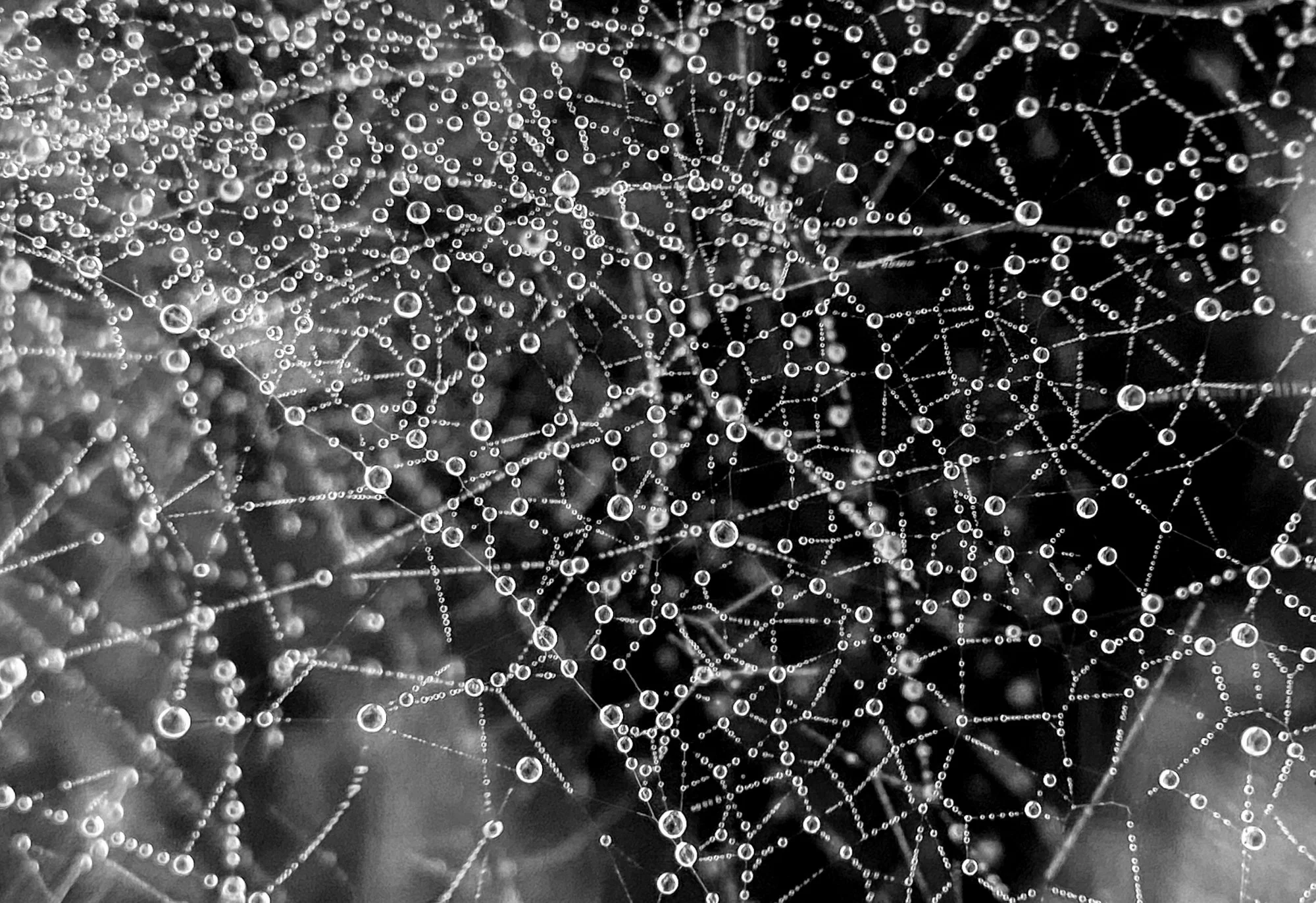
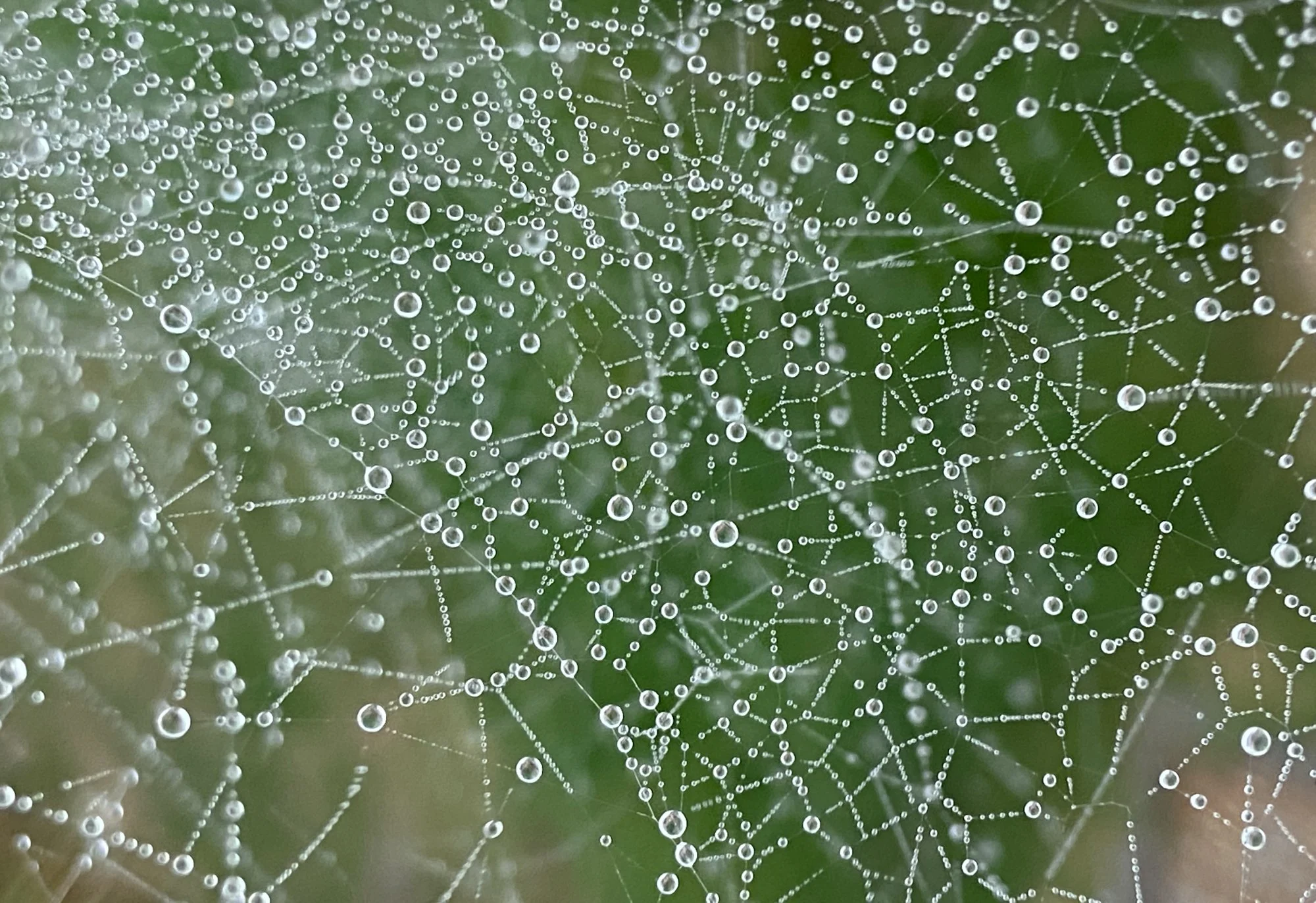
OPENS 11 OCTOBER 2026
£29 £35
The launch price holds until the end of October 2026. After that it is £35. Camera Club members get 20% off either price.